
Introduction
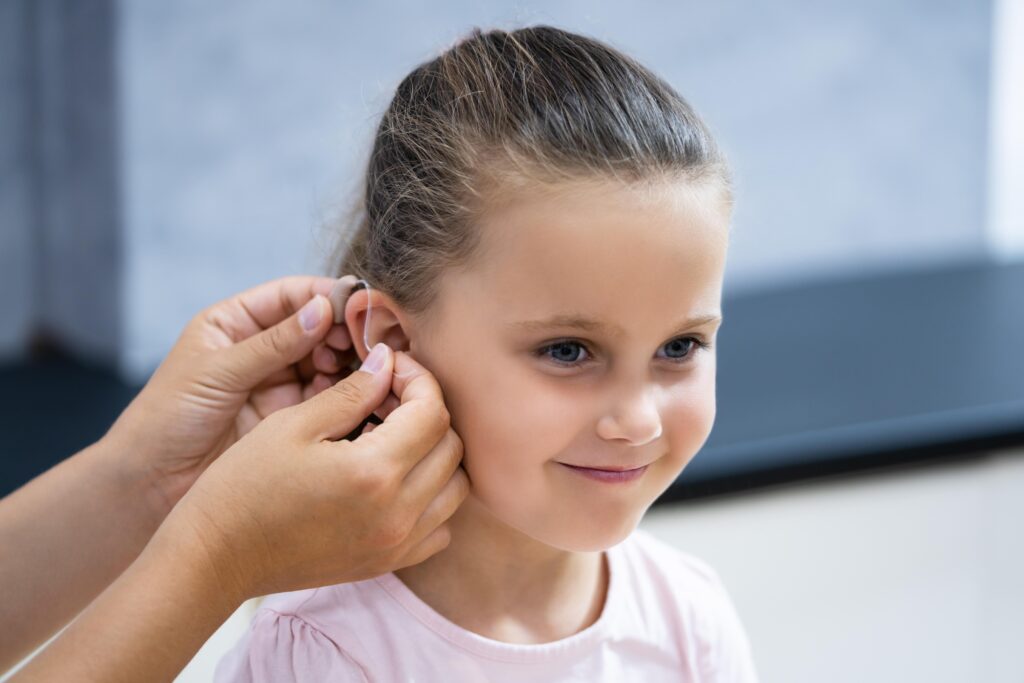
Mild hearing loss in children means a child cannot hear soft sounds or may miss parts of speech. Even though it seems minor, this condition can affect a child’s growth. Early hearing aids for children are important because they help kids hear better and learn faster. In fact, early help can make a big difference in speech, learning, and social skills. This blog explains why even mild hearing loss in children needs early hearing aids and how parents can help.
What Is Mild Hearing Loss in Children?
Mild hearing loss in kids means they have trouble hearing soft sounds. Usually, they can hear louder noises but may miss quiet speech or sounds. According to the World Health Organization (WHO), millions of children worldwide have some form of hearing loss. While severe hearing loss is rare, mild hearing loss is more common than many think. Often, it goes unnoticed because children may seem to hear well in quiet places.
Symptoms and Early Signs
Recognizing signs of hearing loss in children is important. Early detection helps children get the support they need. Look for these common symptoms:
For example, if your child often misses parts of conversations, it could be a sign. Therefore, watch for these early signs and talk to a doctor if you notice them.
Causes of Mild Hearing Loss in Children
There are several reasons why children may develop mild hearing loss. Some common causes include:
Sometimes, the cause is unknown. However, knowing the possible reasons can help parents take steps to protect their child’s hearing health.
Impact of Untreated Mild Hearing Loss
Even mild hearing loss in kids can have big effects if left untreated. For instance, children may struggle to learn new words or sounds. This can slow their speech and language development. In addition, they may find it hard to follow lessons at school. Over time, this can lead to lower grades and less confidence. Socially, children might feel left out or have trouble making friends. According to the CDC, early hearing loss can affect a child’s learning and social skills. Therefore, treating mild hearing loss early is key for healthy growth.
Benefits of Early Hearing Aids
Early hearing aids for children offer many benefits. First, they help kids hear speech and sounds more clearly. This supports better language and learning. Also, children with hearing aids can join in conversations and play with others more easily. As a result, they build stronger social skills and confidence. Studies show that early use of hearing aids leads to better school performance and happier lives. So, giving your child hearing aids early can make a big difference in their future.
Diagnosis and When to Seek Help
Diagnosing mild hearing loss in children starts with a hearing test. Doctors or hearing specialists use simple tests to check how well your child hears. If you notice any signs of hearing loss, do not wait. Instead, talk to your child’s doctor or a hearing specialist. Early testing means your child can get help sooner. In many cities, hearing care for children is available at hospitals and clinics. Remember, early action leads to better results.
Prevention and Parental Guidance
Parents and caregivers play a big role in child hearing health. Here are some tips to help protect your child’s hearing:
Additionally, support your child by talking, reading, and playing together. This helps build strong language and social skills, even if your child has mild hearing loss.
Conclusion
In summary, even mild hearing loss in children needs early hearing aids. Early help supports speech, learning, and social growth. If you notice any signs of hearing loss in your child, consult at Sreenika Speech & Hearing Child Development Center.