
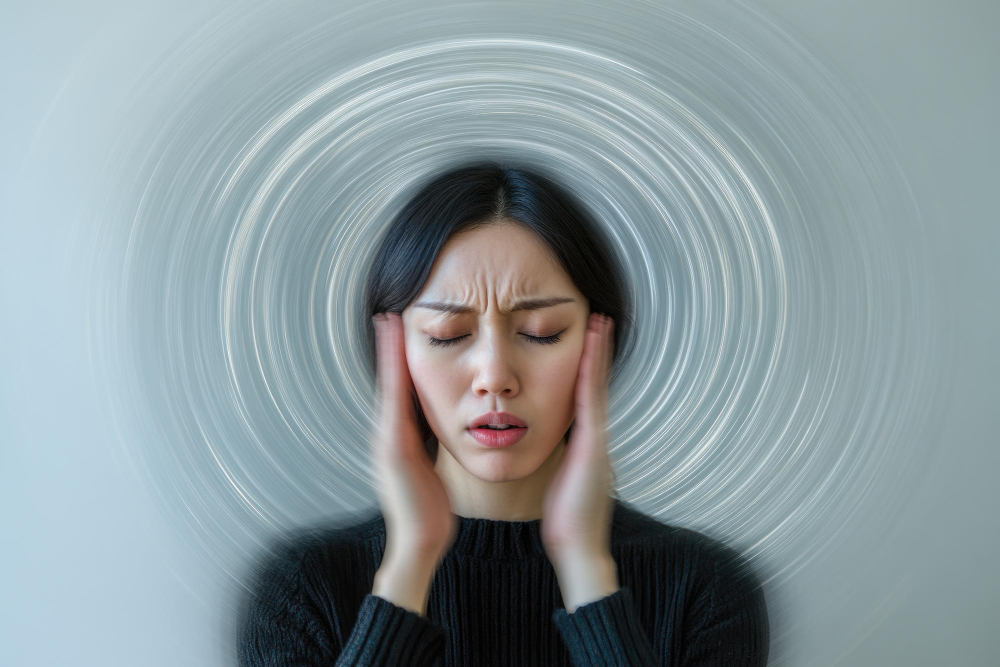
Have you been experiencing vertigo, fullness, or roaring in the ear? These symptoms can be unsettling and may signal inner ear pressure issues. Early recognition is important, as these signs often point to problems inside the ear. Fortunately, electrocochleography helps doctors diagnose inner ear pressure problems quickly and accurately. This test can guide the right treatment and help you feel better sooner.
What Are Vertigo, Ear Fullness, and Roaring in the Ear?
Vertigo is a spinning or dizzy feeling, even when you are still. It can make you feel off-balance. Ear fullness feels like your ear is blocked or under pressure. Roaring in the ear means you hear a loud, rushing, or buzzing sound. Sometimes, these symptoms happen together. For many people, they can come and go. However, they may also last for hours or days.
Common Causes of These Symptoms
Several conditions can cause vertigo, ear fullness, or roaring sounds. Often, these symptoms are linked to inner ear problems. For example, Meniere’s disease is a common cause. Other causes include:
Sometimes, stress or certain medications can also trigger these symptoms. Because the causes vary, an accurate diagnosis is important.
How Electrocochleography Works
Electrocochleography, or ECochG, is a special hearing test. It measures how your inner ear responds to sounds. During the test, a soft sound is played into your ear. At the same time, a tiny sensor records your ear’s electrical signals. These signals help doctors see if there is extra pressure or fluid in the inner ear. As a result, ECochG is a key tool for inner ear pressure diagnosis.
Electrocochleography: Diagnosing Inner Ear Pressure Problems
Doctors use the electrocochleography test for vertigo and ear fullness causes. The test can show if your symptoms are due to inner ear pressure. For example, in Meniere’s disease, the inner ear often has too much fluid. ECochG can detect this change. Because of its accuracy, it helps doctors choose the best treatment for you.
What to Expect During the Test
Many people wonder what happens during an electrocochleography test. Here is what you can expect:
After the test, you can return to your normal activities right away.
Treatment Options After Diagnosis
Once your doctor knows the cause, treatment can begin. Treatment depends on the diagnosis. For inner ear pressure issues, options may include:
Because each person is different, your doctor will recommend the best plan for you.
Lifestyle Tips and Prevention
After diagnosis, simple lifestyle changes can help manage symptoms. For example:
In addition, regular check-ups can help catch problems early.
When to See a Specialist
If you have ongoing vertigo, ear fullness, or roaring sounds, do not ignore them. Sometimes, these symptoms can signal a serious problem. You should see a specialist at Sreenika Speech & Hearing Child Development Center if:
Early diagnosis and treatment can prevent complications and improve your quality of life.
Consult a specialist at Sreenika Speech & Hearing Child Development Center for personalized guidance if you experience persistent vertigo, ear fullness, or roaring sounds.