Introduction
Every child deserves a healthy start in life. Kids hear differently than adults, which is why screening matters after birth. Early hearing loss detection in children is important for speech, learning, and social skills. Because of this, newborn hearing screening is now a routine part of care in many hospitals. In this blog, we will explain the importance of hearing tests after birth and how they help your child grow and thrive.
Why Children Hear Differently Than Adults
Children’s ears and brains are still developing after birth. As a result, they process sounds in unique ways. For example, babies may not react to soft noises like adults do. Instead, they respond more to loud or sudden sounds. Since their hearing is still maturing, small problems can have a big impact on learning. Therefore, it is important to check hearing early and often.
The Science Behind Newborn Hearing Development
Hearing starts before birth. Even in the womb, babies can hear some sounds. However, after birth, their hearing pathways continue to grow. According to the CDC, the first few months are critical for brain and hearing development. During this time, babies learn to recognize voices and sounds. If hearing loss is present, the brain may not develop these skills as expected. So, early screening helps catch problems before they affect growth.
Signs and Symptoms of Hearing Issues in Infants
Sometimes, hearing loss is hard to notice in babies. Still, there are signs parents can watch for:
If you notice any of these signs, talk to your doctor right away. Early action can make a big difference.
The Process and Benefits of Newborn Hearing Screening
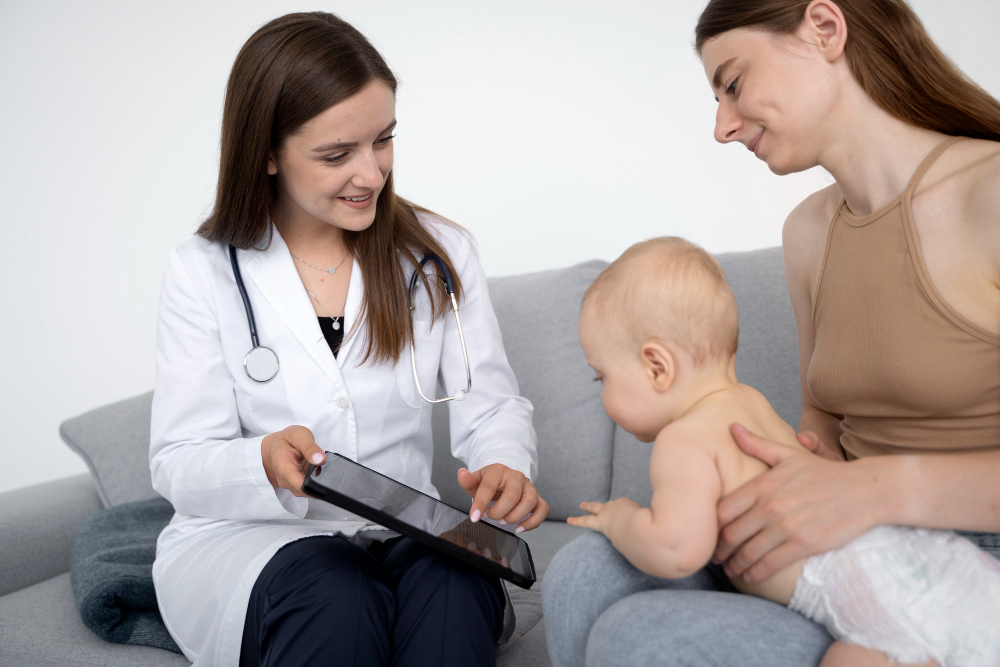
Most hospitals offer newborn hearing screening before your baby goes home. The test is quick, safe, and painless. Usually, a small earphone or sensor is placed on the baby’s ear. Soft sounds are played, and the device measures the ear’s response. The whole process takes only a few minutes. If the baby does not pass the first test, a second test is done. Sometimes, fluid or noise can affect results, so a repeat test helps confirm any issues.
There are many benefits to early screening:
According to the WHO, early detection leads to better outcomes for children with hearing loss.
Early Intervention and Treatment Options
If hearing loss is found, early help is key. With quick action, many children can reach their full potential. Treatment options may include:
Because every child is different, doctors will help choose the best plan. Early intervention services are often available through local health programs.
Tips for Parents: Supporting Healthy Hearing in Children
Parents play a big role in their child’s hearing health. Here are some tips to support healthy hearing:
With these steps, you can help your child develop strong listening and speaking skills.
Prevention and Ongoing Monitoring
Even after passing the first hearing test, children need regular check-ups. Sometimes, hearing loss can develop later. For example, ear infections or certain illnesses can affect hearing. Therefore, it is important to monitor your child’s hearing as they grow. If your child is at higher risk, your doctor may suggest more frequent tests. Early action helps prevent long-term problems.
Conclusion
In summary, kids hear differently, and early screening matters after birth. Newborn hearing screening helps find problems early, so children can get the help they need. If you have questions or concerns about your child’s hearing, consult Sreenika Speech & Hearing Child Development Center for personalized advice. Early care leads to brighter futures.