
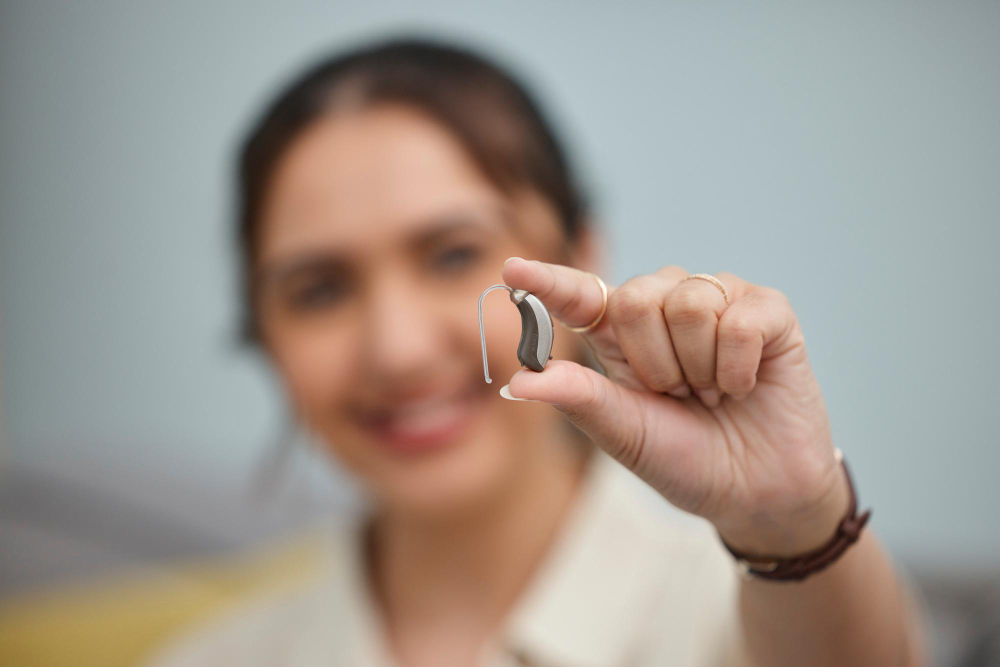
Hearing loss can affect many parts of daily life. However, hearing aids offer a simple way to improve quality of life. Understanding the benefits of hearing aids helps people make informed choices. For many, these small devices bring big changes. They help people connect with others and enjoy life more fully. In this blog, we will explore how hearing aids improve quality of life for people with hearing loss.
Overview of Hearing Loss and Its Impact
Hearing loss is common, especially as people age. According to the World Health Organization (WHO), over 5% of the world’s population has disabling hearing loss. Even mild hearing loss can make daily tasks harder. For example, people may struggle to follow conversations or hear alarms. As a result, they may feel left out or unsafe. Over time, hearing loss can lead to loneliness, stress, and even memory problems. Therefore, it is important to address hearing loss early.
How Hearing Aids Work
Hearing aids are small electronic devices. They make sounds louder so people can hear better. Most hearing aids have three main parts:
Because of these features, hearing aids help people hear speech and other important sounds. Modern hearing aids can also reduce background noise. This makes it easier to focus on conversations, even in busy places.
Key Ways Hearing Aids Improve Quality of Life
Improved Communication
First, hearing aids help people talk and listen more easily. With better hearing, people can join in conversations without asking others to repeat themselves. This makes family gatherings, work meetings, and phone calls less stressful. As a result, people feel more confident and connected.
Enhanced Social Engagement
Because hearing aids make it easier to hear, people are more likely to join social events. They can enjoy movies, group activities, and outings with friends. This helps reduce feelings of isolation. In fact, studies show that people with hearing aids are more active in their communities.
Better Emotional Well-being
Hearing loss can lead to sadness or frustration. However, using hearing aids often improves mood. People feel less anxious about missing out. They also feel more independent. Over time, this leads to better mental health and a more positive outlook.
Increased Safety and Awareness
Hearing aids help people notice important sounds, such as alarms, doorbells, or traffic. Because of this, they can respond quickly to warnings. This is especially important for older adults who live alone. Improved hearing can help prevent accidents and keep people safe.
Support for Cognitive Health
Some research suggests that untreated hearing loss may increase the risk of memory problems. However, hearing aids help keep the brain active. By making it easier to join conversations and activities, hearing aids support thinking skills. Therefore, they may help protect brain health as people age.
Tips for Adapting to Hearing Aids
Getting used to hearing aids takes time. Here are some tips to help:
With patience and support, most people adjust well to their new hearing aids.
Common Myths and Facts About Hearing Aids
Prevention and Early Intervention
Protecting your hearing is important. For example, avoid loud noises and use ear protection when needed. If you notice hearing changes, seek help early. Early use of hearing aids can prevent problems like loneliness and memory loss. In many areas, hearing care is easy to access. Local clinics and specialists can offer hearing tests and advice.
In summary, hearing aids offer many advantages for people with hearing loss. They improve communication, social life, safety, and even brain health. If you or a loved one has trouble hearing, consult a hearing specialist at Sreenika Speech & Hearing Child Development Center to learn how hearing aids can improve your quality of life.